Fair Wages, Fair Chances

Erica's Position

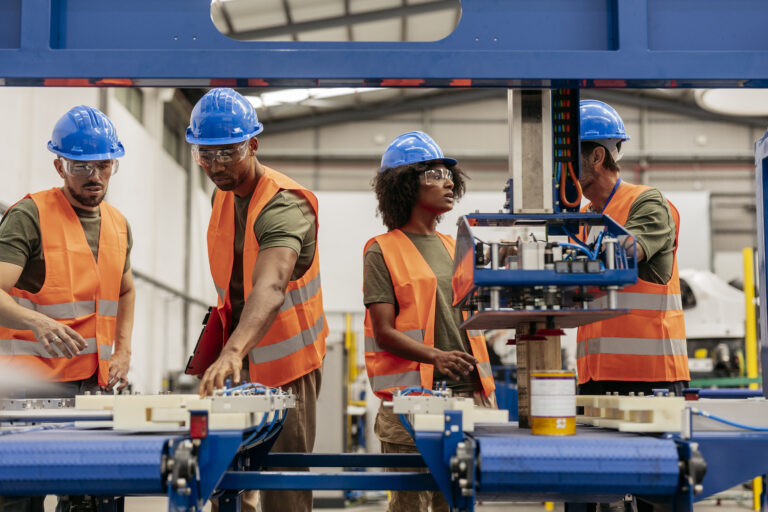
Oklahomans work hard, but too often our paychecks don’t reflect the value of our labor. For decades, corporate lobbyists and politicians have worked hand-in-hand to weaken unions, suppress wages, and strip workers of basic protections. I will fight to raise wages, strengthen collective bargaining, and protect the right to organize without fear or retaliation. When workers have power, families thrive and so does our country.

Issue Summary

Many Oklahomans work full time but still struggle to pay for housing, food, and healthcare. Oklahoma’s minimum wage has stayed at $7.25 since 2009, and union membership is lower than the national average. Wage levels and worker protections are shaped by both federal and state laws.

Why This Matters

Wages and worker protections are shaped by economic policy and labor law. When wages stay low and workers have limited bargaining power, income gaps can widen. Research shows that union membership is associated with higher wages and better access to benefits.

Oklahoma’s minimum wage is $7.25 per hour. It matches the federal minimum wage and has not increased since 2009. In 2023, the median hourly wage in Oklahoma was lower than the national median hourly wage.

Oklahoma is a right-to-work state. This means workers cannot be required to join a union or pay union fees as a condition of employment. Union membership in Oklahoma is lower than the national average.

Minimum wage laws and collective bargaining rights are governed by both federal and state authority. Congress sets the federal minimum wage and national labor standards. States can set higher wage floors and add protections. Oklahoma currently aligns with the federal wage floor.

This issue is shared jurisdiction between federal and state government.

A full-time worker earning $7.25 per hour makes about $15,080 per year before taxes. That income level is below the federal poverty guideline for a two-person household.

Oklahoma’s poverty rate is higher than the national average. Many jobs in Oklahoma are in retail, food service, health support, and care work. These industries often pay lower wages.

Lower union membership may affect wage growth and access to benefits such as health insurance and retirement plans. Research shows that unionized workers often earn more than non-union workers in similar roles.

When wages do not keep up with the cost of housing, healthcare, and transportation, families may rely more heavily on public assistance programs.

Workers in service industries are more likely to earn lower wages. Part-time workers and workers without college degrees are also more likely to earn below the state median wage.

National data shows that women and people of color are more likely to work in lower-wage occupations. Oklahoma reflects many of these national trends.

Child poverty rates in Oklahoma are higher than the national average. When wages are low, families with children are more likely to experience economic hardship.

Workers without union representation may have less bargaining power in wage negotiations and workplace conditions.

Some argue that raising wages too quickly can increase costs for businesses. They state that higher labor costs may result in higher prices or reduced hiring.

Others argue that higher wages can increase consumer spending and reduce poverty. Research shows that wage increases raise income for many workers, though economic models vary on how employment levels may change.

Supporters of right-to-work laws argue that workers should not be required to join unions. Labor advocates argue that collective bargaining strengthens workplace safety, pay, and stability.

These perspectives reflect ongoing debate about how to balance worker protections and economic growth.

Jurisdiction Breakdown

Federal Government:
Congress sets the federal minimum wage and national labor standards under laws such as the Fair Labor Standards Act and the National Labor Relations Act. Federal agencies enforce union protections and wage standards.

Oklahoma State Government:
Oklahoma may set a higher state minimum wage but currently matches the federal level. The state maintains right-to-work status. State law limits the ability of local governments to set their own minimum wage.

Local Governments:
Cities and counties administer local economic development policies but cannot raise the minimum wage above the state level under current Oklahoma law.

Related Issues

Families Belong Together
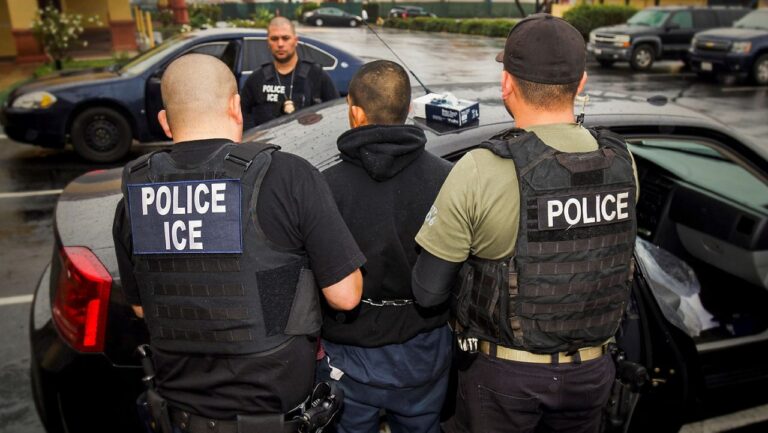
Immigrant & Migrant Justice: Families Belong Together - Oklahoma has seen firsthand the cruelty of ICE raids that tear parents from their children and destabilize...
Communities Over Cages
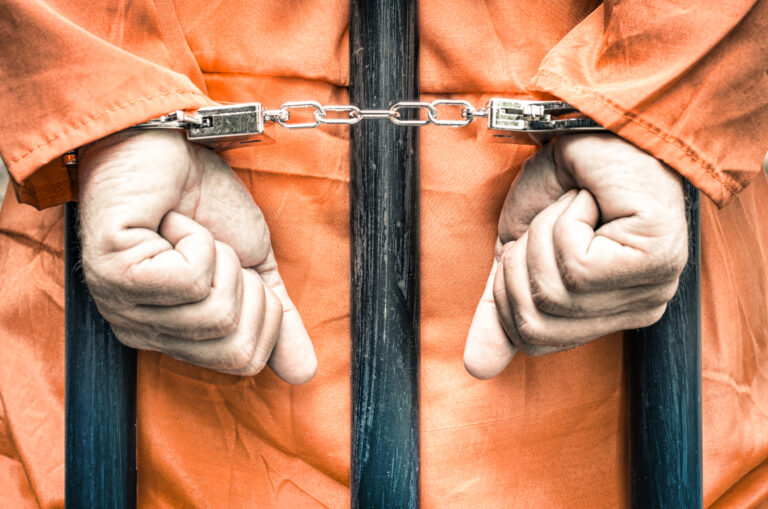
Communities Over Cages Decades of “tough on crime” policies have filled our prisons while leaving our communities no safer.

Housing and Affordability
Housing & Affordability: A Human Right Every Oklahoman deserves safe, affordable housing. But too many families are being priced out while corporate landlords and out-of-state...

Healthcare For All
Healthcare: Dignity and Access for All - Healthcare is not a privilege, it’s a basic human right. Oklahomans should never be forced to choose between...

Invest in Our Future
Education - Every child deserves the chance to learn in a well-funded classroom with qualified teachers and the tools they need to succeed.
Fair Wages, Fair Chances
Protecting Our Rights - Extremists are working overtime to take away our freedoms: from voting rights to reproductive rights to the freedom to learn and...